"Is Land Reclamation in Alberta the Key to Sustainable Oil Industry Development?"

Reclaiming Alberta's Landscape: A Sustainable Future for the Oil Industry?
Alberta's oil industry is at a crossroads. As the demand for sustainable practices grows louder, questions arise about the industry's environmental impact and its ability to coexist with the province's natural landscape. In this blog, we explore the concept of land reclamation in Alberta and its potential to pave the way for a more sustainable future for the oil industry.
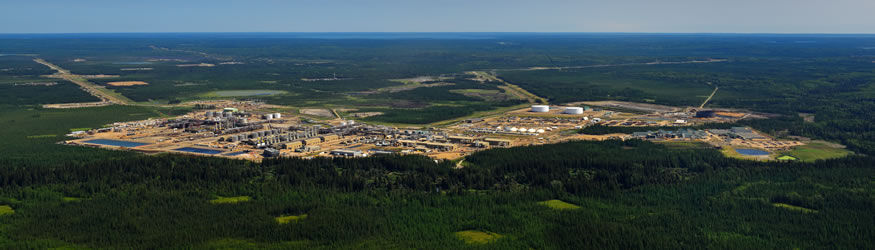
Understanding Land Reclamation:
Land reclamation is the process of restoring disturbed land to a condition that is as close to its natural state as possible. In the context of Alberta's oil industry, this typically involves rehabilitating land that has been used for activities such as drilling, extraction, and pipeline construction. Reclamation efforts aim to restore ecosystem functions, biodiversity, and habitat suitability while minimizing the environmental footprint of industrial operations.
The Importance of Sustainable Development:
In recent years, there has been a growing recognition of the need for sustainable development within the oil industry. As concerns about climate change, habitat destruction, and biodiversity loss continue to mount, stakeholders are increasingly calling for industry practices that prioritize environmental responsibility and long-term stewardship of the land.
Land reclamation plays a crucial role in this shift towards sustainability. By reclaiming disturbed land and restoring it to a functional ecosystem, the oil industry can mitigate its environmental impact, reduce its carbon footprint, and demonstrate a commitment to responsible resource development.
Challenges and Opportunities:
Despite its importance, land reclamation in Alberta faces numerous challenges. These include the vast scale of industrial operations, the complexity of ecosystem restoration, and the financial and logistical constraints of reclamation efforts. Additionally, regulatory frameworks and stakeholder engagement processes can vary, presenting additional hurdles to effective reclamation practices.
However, amidst these challenges lie opportunities for innovation and collaboration. By investing in research, technology, and best practices, the oil industry can improve the effectiveness and efficiency of land reclamation efforts. Collaborative partnerships between industry, government, Indigenous communities, and environmental organizations can also facilitate knowledge sharing and capacity building, leading to more successful reclamation outcomes.
The Path Forward:
As Alberta's oil industry continues to evolve, the concept of land reclamation will play an increasingly prominent role in shaping its future. By embracing sustainable development principles and prioritizing responsible land stewardship, the industry can chart a path towards a more environmentally sustainable and socially responsible future.
Ultimately, land reclamation in Alberta holds the potential to not only restore the land that has been impacted by industrial activities but also to rebuild trust with stakeholders, foster biodiversity, and contribute to the long-term resilience of Alberta's ecosystems. By viewing land reclamation as an integral part of the oil industry's development, we can work towards a future where resource extraction and environmental conservation go hand in hand.


Comments